It's 10:47 on a Tuesday morning. A mechanic at a three-person scooter shop in Taichung is elbow-deep in a carburetor rebuild when the shop phone rings. He can't answer. The caller hangs up after five rings. By the time he wipes his hands and checks the missed call log, the number belongs to a customer whose annual inspection was due last month — a booking that never gets made. Multiply that by Taiwan's 15,000-plus scooter and motorcycle repair shops, and you start to see the scale of a problem that the industry has quietly accepted as the cost of doing business.
The Hidden Cost of a Ringing Phone
Small repair shops run on trust and timing. A customer who books an oil change this week is likely to return for tire replacement next season and a full annual inspection the year after. Lifetime customer value in the scooter repair sector averages NT$12,000–18,000 over three years, yet the single biggest threat to capturing that value is the unanswered phone call.
Research on small automotive service businesses in Asia-Pacific consistently shows that 67% of callers who reach voicemail do not leave a message and do not call back. For a shop averaging 15 inbound booking calls per day, even a 20% miss rate translates to three lost booking opportunities daily.
Beyond missed inbound calls, there is the no-show problem. Without proactive reminders, no-show rates for small repair shops hover around 18–22%. A confirmed appointment that disappears without notice wastes a mechanic's time slot and disrupts parts ordering.
The root cause of both problems is the same: human attention is finite, and in a two- or three-person shop, every minute spent on the phone is a minute taken away from the lift.
What a Scooter Repair Shop AI Voice Agent Actually Does
A scooter repair shop AI voice agent handles inbound and outbound phone calls using natural-sounding speech. It understands spoken Mandarin (and increasingly Taiwanese Hokkien), interprets customer intent, and takes action — scheduling appointments, logging customer details, and sending follow-up SMS confirmations.
The core capabilities break down into three layers:
Inbound Booking Handling
When a customer calls to book an oil change or tire swap, the AI voice agent answers within one ring, identifies the caller if they are a returning customer, confirms the service type, checks real-time availability, and books the slot — all in under 90 seconds on average.
Outbound Service Reminders
This is where service reminder automation delivers its most measurable impact. The AI agent proactively calls customers based on service interval data — typically 3,000 km or six months for oil changes, annually for government-mandated inspections.
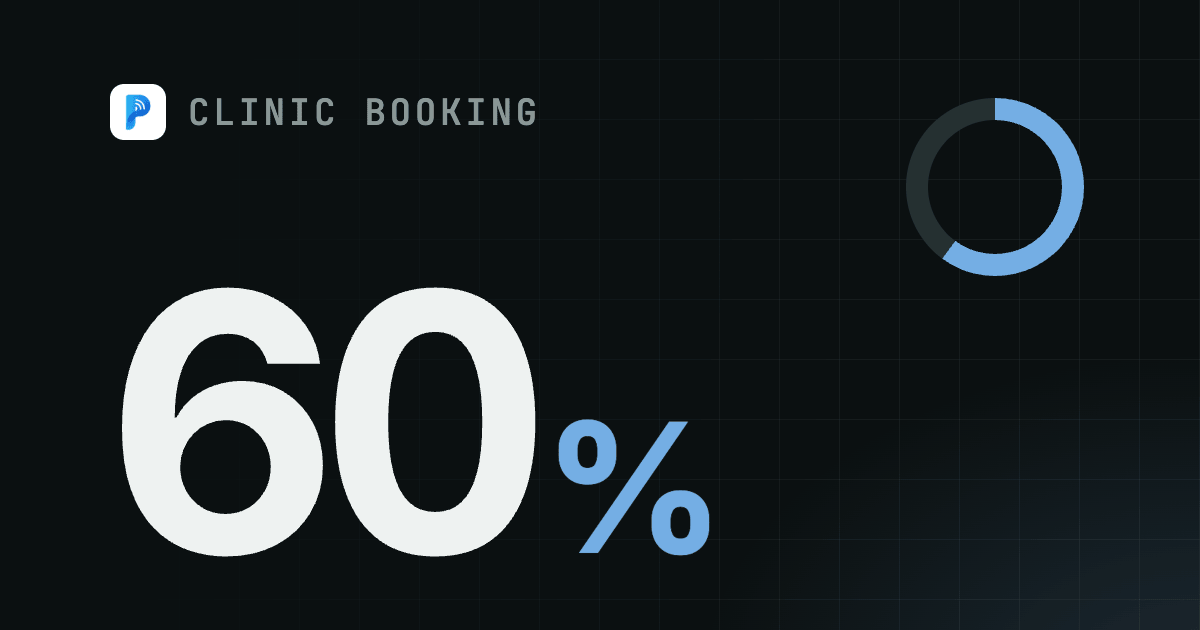
Industry data from voice reminder campaigns in the automotive sector shows outbound AI voice reminders achieve a 34% booking conversion rate, compared to 11% for SMS-only campaigns.
No-Show Reduction via Confirmation Calls
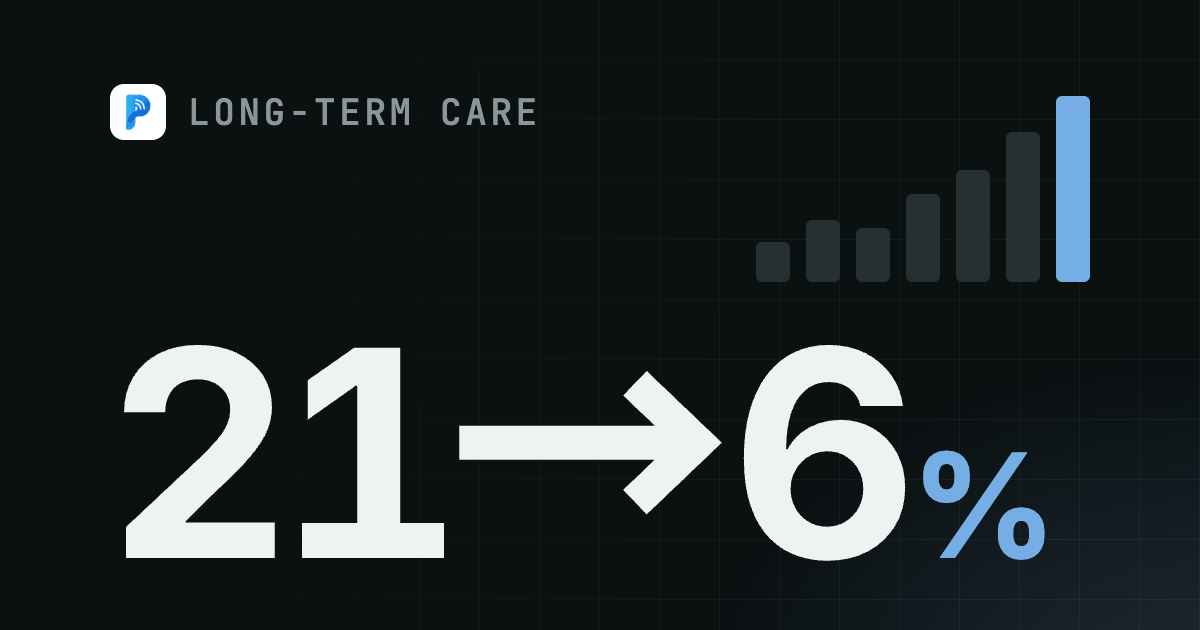
The day before a scheduled appointment, the AI agent places a confirmation call. Shops using automated confirmation calls report no-show rates dropping from ~20% to under 6%. That recovery alone often justifies the entire cost of implementation.
Why Phone Remains the Right Channel for Repair Shop Booking
LINE, WhatsApp, and web booking forms have their place. But in Taiwan's scooter repair market, phone calls remain the dominant booking channel for 78% of customers over age 35 — and that demographic represents the majority of regular maintenance customers.
Scooter owners calling about an unfamiliar sound or a warning light want to describe the problem verbally, in real time. An AI voice agent can handle that triage conversation, ask clarifying questions, and recommend a service slot — something a static booking form cannot do.
For the shop owner, voice also provides richer data. The AI transcribes calls, logs customer-reported symptoms, and flags recurring issues — building a service history that makes each return visit more efficient.
Pathors in Practice: Implementation for a Small Repair Shop
Pathors is a Taiwan-based AI voice call center platform built for the operational reality of small and medium service businesses. For a scooter repair shop, implementation follows a straightforward path.
Setup takes under a week. The shop connects its existing booking calendar to the Pathors platform. Customer contact data is imported once. The AI voice agent is configured with shop-specific information: service menu, pricing ranges, operating hours, and seasonal notes.
The agent speaks naturally in Traditional Mandarin, with vocabulary tuned for the repair context — it knows the difference between engine oil and gear oil, handles pronunciation of common scooter models, and understands colloquial descriptions of mechanical symptoms.
| Feature | Manual Phone Handling | Pathors AI Voice Agent |
|---|---|---|
| Answer speed | Depends on staff availability | Under 1 ring, 24/7 |
| Booking confirmation | Manual SMS or verbal | Automated SMS + calendar entry |
| Outbound reminders | Ad hoc or none | Scheduled by service interval |
| No-show follow-up | Often missed | Day-before confirmation call |
| Call data logging | None | Full transcript + CRM sync |
| Setup time | N/A | Under 1 week |
For shops with multilocation ambitions, Pathors scales horizontally: the same AI configuration can be deployed across multiple locations with centralized reporting.
The Shift Toward Proactive Service
The longer-term opportunity extends beyond call handling. As repair shops accumulate structured service history data, AI systems can anticipate service needs rather than simply respond to them.
A customer whose scooter receives new tires in March can be reminded in September when wear patterns suggest a pre-winter inspection. A customer who mentioned a grinding noise at their last oil change can receive a follow-up call two weeks later. These proactive touchpoints build customer relationships that independent shops have traditionally delivered through personal memory — and AI makes that possible at scale.
The shops that adopt this approach earliest will hold a structural advantage: higher customer retention, more predictable booking calendars, and the operational data to make smarter decisions about staffing and inventory.
Taiwan's scooter repair industry has operated on personal relationships and word-of-mouth for decades. AI voice agents do not replace that foundation — they protect it, by ensuring that every call gets answered, every reminder gets sent, and every loyal customer gets the timely service they came to expect. The technology is available, the implementation is straightforward, and the return on investment is measurable within the first month.
Frequently Asked Questions
How does an AI voice agent handle calls in Mandarin and Taiwanese?
Platforms like Pathors are trained on Traditional Mandarin speech patterns with vocabulary specific to the scooter repair context. They recognize common scooter model names, service terminology, and colloquial descriptions of mechanical symptoms. Support for Taiwanese Hokkien is expanding. The agent is configured with your shop's specific service menu and pricing.
What is the typical ROI timeline for a small repair shop?
Most shops see measurable return within four to six weeks. The primary drivers are recovered missed bookings (typically 2–4 additional bookings per day) and no-show reduction (from ~20% down to under 6%). For a shop charging NT$500–800 per standard oil change, recovering three bookings per day represents NT$45,000–72,000 in additional monthly revenue.
Can the AI voice agent integrate with existing booking systems?
Yes. Pathors connects with common scheduling tools including Google Calendar, LINE-based schedulers, and spreadsheet systems. The AI agent reads available time slots in real time and writes confirmed bookings back to the same calendar the shop team already monitors.
How does the system know when to send service reminders?
Service reminder automation is triggered by interval rules you configure during setup — for example, a reminder call six months after an oil change, or eleven months after an annual inspection. The system cross-references customer service history with these rules and schedules calls automatically.
What happens when a caller has a complex question the AI cannot answer?
The AI voice agent recognizes when a conversation exceeds its scope — diagnostic questions requiring mechanical judgment, unusual requests, or situations where the customer asks to speak with a person. It smoothly transfers the call or takes a message and schedules a callback, ensuring the inquiry is not lost.