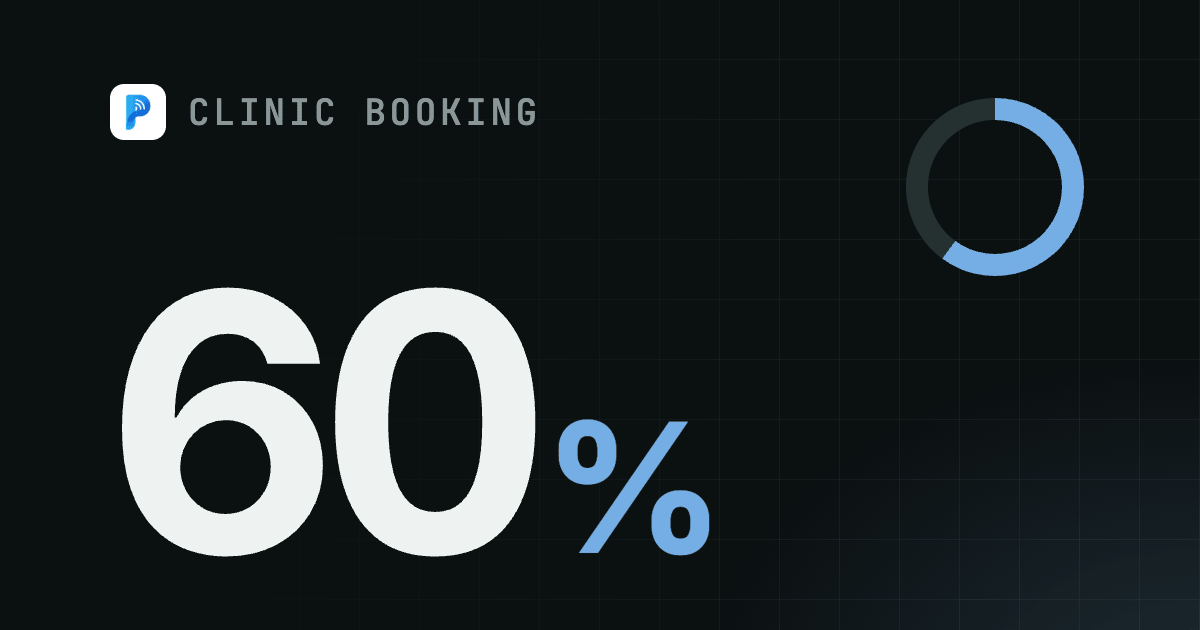
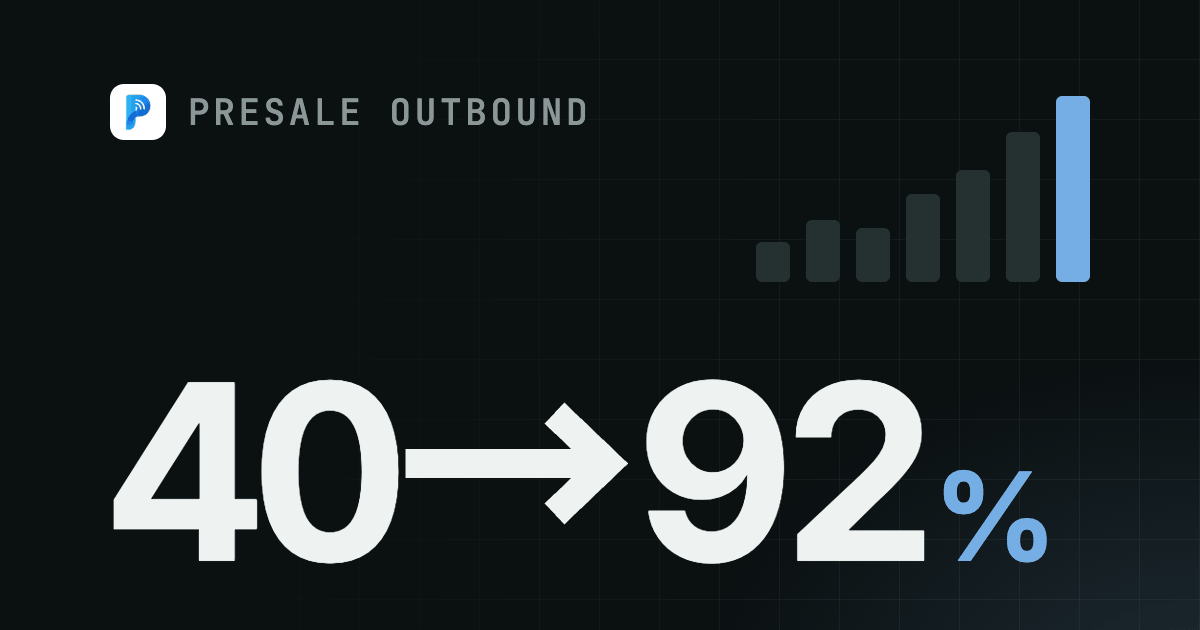
A mid-sized residential presale development in Taiwan typically launches with 2,000 to 5,000 leads in the pipeline. The sales director knows the math: buyer intent peaks in the first 72 hours after launch. After one week, interest cools noticeably. Yet an 8-person sales team making manual calls maxes out at about 1,900 dials in three days—barely 40% of a 3,000-lead list. The remaining 60% go untouched during the hottest window, and most will never convert. The logic is simple: when every lead hears from you within 48 hours, no prospect slips through during the hottest window.
The 72-Hour Window: Why Manual Dialing Cannot Keep Up with 3,000 Leads
Presale outbound has three recurring bottlenecks.
Bottleneck 1: Only 40% of Leads Get Contacted Before the Heat Fades
For a 3,000-lead list and an 8-person team dialing for 3 days, the actual number of completed call attempts (including no-answers, busy lines, and disconnected numbers) lands around 1,900. After removing invalid numbers, effective reach covers roughly 1,200 leads—40% of the list. Some of these untouched leads eventually walk into the showroom after seeing an ad, but more go completely dark. That is the most direct potential loss of the launch period.
Bottleneck 2: Sales Reps Spend Most of Their Dial Time Listening to Ring Tones
Connect rates for outbound calls are low to begin with. Assuming a 35% connect rate, 65 out of every 100 dials end with no pickup. Each unanswered call takes about 45 seconds from dial to hang-up, which adds up to 48 minutes of dead air per 100 attempts—nearly an hour of pure waste. Worse, the psychological toll of repeated no-answers causes measurable productivity decay: by the afternoon of day two, reps' dialing energy drops noticeably.
Bottleneck 3: Follow-Up Calls Get Crowded Out by Launch Calls
After launch weekend, prospects who visited the showroom need follow-up—checking decision timelines, answering detailed questions, nudging toward a deposit. But the sales team is still working through the unfinished launch list. The sooner prospects hear from you after a showroom visit, the warmer they are; wait more than two days and many have already toured another development.
3 Core Applications of Pathors AI Outbound in Presale Campaigns
Application 1: Launch Notifications — Full List Coverage in 48 Hours
Pathors runs parallel outbound lines—typically 20 concurrent channels for a 3,000-lead list. Within 48 hours, every lead receives a first-round call plus up to 2 retries for unanswered attempts.
The AI call flow works like this: greet the prospect, identify the development by name and location, share the launch date and key specs (unit sizes, price range), then ask whether they would like to book a showroom visit. If yes, the AI checks available time slots and confirms the booking on the spot. If the prospect says "just send me some info," the system dispatches an SMS with the project's online brochure within 30 seconds of hang-up.
Note that AI does not make more people answer their phones; the connect rate stays the same. The gap comes from reach: getting through the whole list in 48 hours and retrying no-answers is a volume problem. AI also keeps each connected call on pace and covers the project's key points every time.
Application 2: Showroom Visit Confirmation to Lift Attendance
Booking a visit does not mean showing up. Showroom no-shows have long been a pain point for presale teams. Pathors places two confirmation calls: one the afternoon before, one the morning of. Each call confirms time, location, and directions, and offers a reschedule option.
For example, if confirmation calls lift attendance by 10 percentage points on 400 bookings, that is 40 more prospects walking into the showroom; at an assumed 10% close rate, that is 4 more deals.
Application 3: Post-Visit Follow-Up — Automated Callback Within 24 Hours
Pathors triggers a follow-up call within 24 hours of a prospect's showroom visit. The AI checks in on the visit experience, answers common questions (delivery timeline, payment structure, parking allocation), and scores purchase intent into three tiers: A (hot), B (warm), C (cold). A-tier leads are immediately routed to a human sales rep for personal follow-up. B-tier leads enter a second AI call cycle 3 days later. C-tier leads go into a long-term nurture list.
The real value of this tiered follow-up is time allocation: sales reps only engage A-tier leads and no longer spend time filtering cold leads.
Getting the First 8 Seconds Right: Script Design for Cold Outbound
Presale outbound differs fundamentally from, say, dental recall reminders: the recipient is not expecting the call. The opening 8 seconds determine whether the prospect stays on the line or hangs up.
Good opening scripts usually share three traits:
1. Identify immediately: "Hello, this is the service team for [Development Name]"—the prospect knows who is calling within 3 seconds.
2. Lead with relevance: "We have great news—the project you registered interest in at [Event/Location] is launching next week"—this triggers recall and personal connection.
3. Ask a closed question: "Would you like to hear about available unit sizes and pricing?"—low cognitive load, easy yes/no.
This structure is less likely to get hung up on in the first few seconds than scripts that open with a direct invitation ("We are calling to invite you to visit the showroom").
Compliance: Built-In Data Protection
Taiwan's Personal Data Protection Act requires clear disclosure of how a caller obtained the prospect's information. Pathors includes a compliance module that automatically inserts a source-disclosure statement at the beginning of every call (e.g., "Your information was provided when you filled out a registration form at [Event]") and offers an opt-out option. All call recordings are managed according to configurable retention policies.
The presale real estate game is shifting from "who has more reps" to "who reaches leads faster." When AI takes over the high-volume, low-complexity work of dialing through a list, sales teams can redirect their energy to the moment that actually closes deals—standing in the model unit, reading a buyer's body language, and answering the question that matters most: "Is this the right home for me?" The teams adopting AI outbound earliest are building a structural advantage that compounds over every launch cycle, because each project generates a cleaner, better-segmented lead database for the next one.