Anyone who has done cold calling knows the most draining part is not rejection. It is spending most of the day on dial tones, disconnected numbers, busy signals and people who hang up the moment they answer. The calls worth having are often the last few of the day, by which point the rep is worn out.
Leads keep coming in, but the sales team stays the same size. Lists that never get called go cold, and the prospect ends up buying from whichever company called them first.
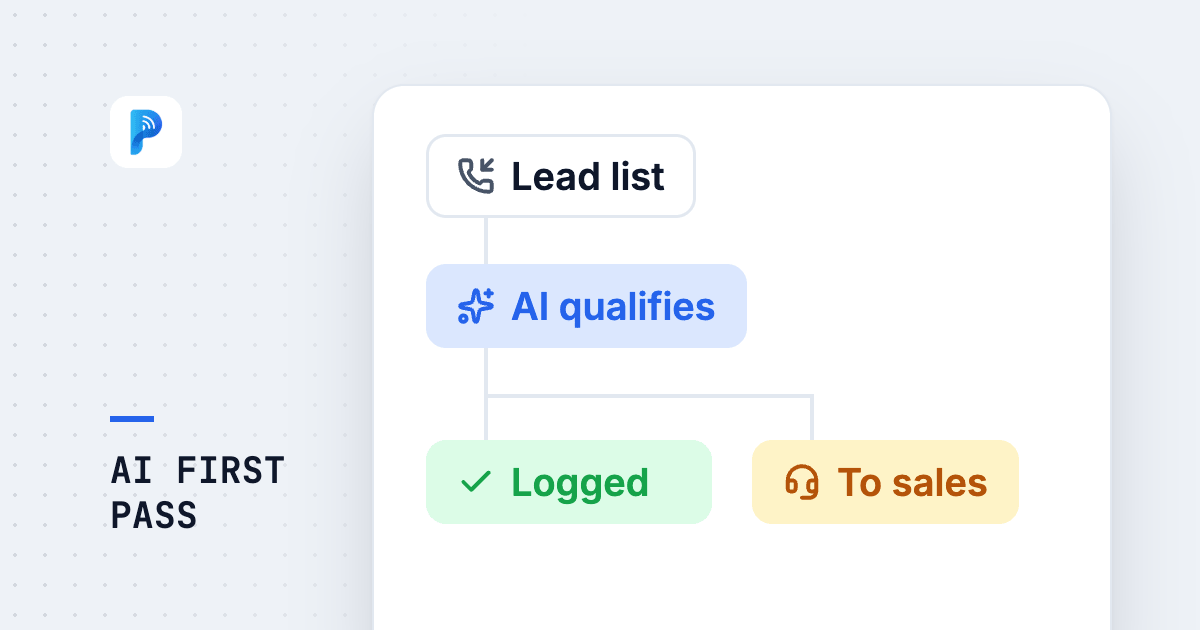
The short answer: split the list into two rounds. The first round goes to AI: confirm it is the right person, whether they have a need right now, and whether it is a good time to talk. In the second round, sales takes over, calling only the prospects the AI found interested, or taking the call directly when a prospect says on the spot that they want to talk to a person. Sales time goes into conversations, not dialing.
Which parts of a cold call actually need a sales rep?
| What this part involves | What the rep is actually doing | Does it need the rep? |
|---|---|---|
| Dialing and waiting for an answer | Listening to dial tones | No |
| Disconnected, busy, no answer | Noting it down and scheduling another try | No |
| Confirming the right person and asking if it is a good time | Repeating the same opening | Not really |
| Asking about needs and timing | Asking a few scripted questions | Can be handed to AI |
| Presenting the offer, answering details, negotiating terms | Actual selling | Yes |
| Logging the outcome in the CRM | Catching up after the calls | No |
Only one row in the table really needs a sales rep, yet reps spend most of their day on the other rows.
Two rounds: AI makes the first pass, sales makes the second
Round one (AI)
Round two (sales)
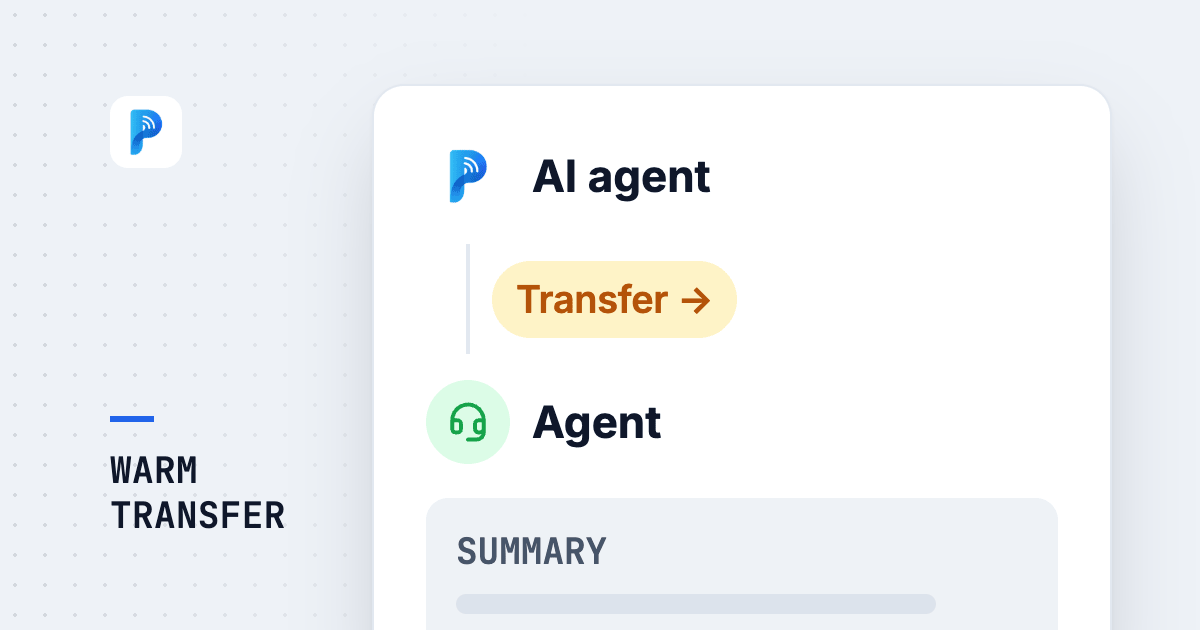
When a prospect is interested, there are three ways to pick it up: transfer them on the spot to a sales rep who is online, book a callback at a time that suits the prospect, or mark them as high intent and pass them to sales with the conversation record for same-day follow-up. For how to choose between the three and what information to pass on at handoff, see AI Outbound Calling: Transferring to a Human Rep
What should the AI ask in round one to screen accurately?
Keep screening questions few; two or three is enough. Ask too many and the prospect feels like they are filling in a survey. Ask too few and sales still gets an unscreened list.
| Scenario | Round one can ask | Signal that counts as interest |
|---|---|---|
| B2B software or services | How they handle this today, whether they plan to change anything this quarter | Willing to book a demo |
| Insurance | Whether they have thought about reviewing their policy recently | Asks about coverage or premiums on their own |
| Course enrollment | What grade the child is in, when it would suit them to come for a trial class | Books a trial class slot |
| Real estate | When they expect to move, which areas they prefer | Willing to book a viewing or visit the sales center |
Define the signals of interest clearly in advance and write them into the script. When the AI judges by that standard, the leads sales receives are consistent.
Which lists are a good fit for an AI first pass?
Good fit
Not a good fit
The ones that are not a good fit should be called by sales reps themselves anyway. The value of AI is freeing sales from the large pile that is a good fit.
Is it legal? What should you watch out for?
Using AI for telemarketing calls follows the same rules as calls made by people: state who you are and why you are calling at the start, disclose the recording, and when someone asks not to be called again, stop and record it. For details such as lead sources and personal data notices, see Is AI Outbound Calling Legal in Taiwan? and AI Telemarketing in Taiwan: Legality, Use Cases, and a 90-Day Deployment Guide.
What the sales job becomes
Sales reps stop being dialers. Their day becomes taking calls the AI has transferred from prospects already confirmed as interested; picking up from the conversation record the AI left, instead of starting with "may I have your name?"; and looking back at which version of the script produced more interested leads, then adjusting it together.
What sales reps are actually good at, understanding what the prospect cares about, answering details and closing the deal, gets more of their time.
If your cold calling list never gets finished, it is not necessarily because the sales team is not trying hard enough. Most of their time goes to work that does not need a sales rep. Let AI make the first pass, confirming the right person, asking about needs and skipping dead numbers, then hand interested prospects to sales. That way the list gets finished and sales effort goes where it counts.
Pathors AI outbound calling works through your list using the script you approved, skips disconnected and busy numbers, transfers prospects live when they ask for a person, books a callback on the spot when the timing is bad, and writes the results back to your system automatically.
Further reading:
Frequently Asked Questions
Will prospects hang up as soon as they hear it is AI?
Some will. Stating who is calling up front and explaining clearly why, without beating around the bush, works better than pretending to be a person. If the prospect wants to talk to a person, transfer them directly or book a callback.
Will the AI make promises it should not, or get led off track by the prospect?
Pathors AI outbound calling follows the script and flow you have approved; the AI is not left to improvise. When it runs into terms beyond what it is authorized to handle, it transfers the call to a person.
What if the prospect says they want to talk to a person?
Transfer them on the spot to a sales rep who is online. If every rep is busy or it is not a good time for the prospect, book a callback slot and write it back to the schedule.
Where do the leads come from?
Your CRM, Excel or website forms can all be sources, and calls can be scheduled in batches. When someone fills in a form on your website, they can also be called back right away.
Do the results need to be organized by hand?
No. Interest, needs and reasons for declining are organized into fields and written back to your system. Sales reps see the results directly without listening to recordings and typing them in.